
Medium Term Accommodation (MTA) Under the NDIS
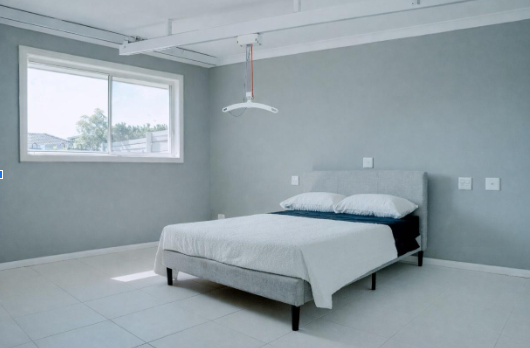
A Complete Guide for Participants on the Central Coast Finding the right home is one of the most important foundations for independence, dignity, and wellbeing—especially for people living with disability. For many NDIS participants, the journey toward permanent housing such as Supported Independent Living (SIL) or Specialist Disability Accommodation (SDA) can take time. This is where Medium Term Accommodation (MTA) plays a critical and often life-changing role. As one of the leading NDIS Providers on the Central Coast, Caring Arms Australia is proud to offer fully accessible, ready-to-occupy Medium Term Accommodation facilities designed specifically to support participants while they wait for their long-term housing solution of choice. This in-depth guide explains what MTA is, how it works under the NDIS, who it’s for, and how participants on the Central Coast can benefit from high-quality MTA, including homes with ceiling hoists, mobility aids, and clinical-ready environments. Understanding Medium Term Accommodation (MTA) in the NDIS Medium Term Accommodation (MTA) is an NDIS-funded housing support designed to provide safe, suitable, and accessible accommodation for a limited period, generally up to 90 days (and sometimes longer with approval), while a participant is transitioning to a permanent living arrangement. MTA is not intended as long-term housing. Instead, it acts as a bridge—ensuring participants are not left without appropriate accommodation while waiting for: Specialist Disability Accommodation (SDA) Supported Independent Living (SIL) Long-term private rental or home modifications Hospital discharge arrangements SDA construction or vacancy availability For many participants, MTA prevents inappropriate placements such as extended hospital stays, aged care facilities, or unsuitable family homes that cannot meet complex accessibility or clinical needs. Why Medium Term Accommodation Is So Important for NDIS Participants Delays in housing transitions are common across Australia, including on the Central Coast. SDA builds take time, SIL matching can be complex, and participant choice must always be respected. Without MTA, participants can be left in limbo. Medium Term Accommodation offers several critical benefits: Safety and Accessibility First MTA ensures participants live in environments that are fully accessible, explaining why purpose-built MTA is far superior to temporary hotels or short-stay rentals. Continuity of Care Participants can continue receiving supports without disruption while long-term housing decisions are finalised. Reduced Stress for Families and Carers Families gain peace of mind knowing their loved one is in a clinically safe, supported environment. Time to Make the Right Choice Participants are not rushed into unsuitable SIL or SDA placements simply due to urgency. Who Is Eligible for Medium Term Accommodation Under the NDIS? MTA is generally suitable for NDIS participants who: Are approved for or awaiting SDA or SIL Have complex physical or clinical support needs Are exiting hospital and cannot safely return home Are awaiting home modifications to be completed Are transitioning between providers or living arrangements Require fully accessible housing with assistive technology Funding for MTA usually covers the accommodation cost only, while daily supports are funded separately through the participant’s core or capacity-building supports. A strong NDIS Provider will assist with evidence, reporting, and coordination to support MTA approvals and extensions where required. Medium Term Accommodation vs SIL vs SDA – What’s the Difference? Understanding the distinction is important when planning the right pathway. Medium Term Accommodation (MTA) Short-term solution (typically up to 90 days) Used while waiting for permanent housing Focus on safety, accessibility, and stability Does not determine long-term living arrangements Supported Independent Living (SIL) Long-term support model Focused on daily living assistance Can be delivered in SDA or private homes Requires participant matching and ongoing agreements Specialist Disability Accommodation (SDA) Long-term, purpose-built housing Designed for participants with extreme functional impairment or high support needs Includes categories such as High Physical Support Often involves waiting periods due to limited supply MTA plays the crucial transition role between these options. The Growing Need for MTA on the Central Coast The Central Coast of NSW has seen strong growth in NDIS participation, but housing supply—particularly SDA—has not always kept pace. This has increased demand for high-quality Medium Term Accommodation that is: Close to hospitals and allied health services Near families and community supports Designed for high physical support needs Available immediately when required As trusted NDIS Providers on the Central Coast, Caring Arms Australia recognised this gap early and invested in ready-to-occupy MTA facilities that genuinely meet participant needs. Caring Arms Australia – Leading NDIS Provider for MTA on the Central Coast Caring Arms Australia is a locally based NDIS provider with deep roots in the Central Coast community. We specialise in complex care, accommodation, and clinical-ready support environments, making us uniquely positioned to deliver exceptional Medium Term Accommodation. Our MTA Facilities Include: Fully accessible, modern homes Ceiling hoist installed Motorised wheelchair access throughout Spacious, accessible bathrooms Assistive technology-ready infrastructure Safe overnight support provisions Proximity to medical services and transport Calm, residential neighbourhood settings Our MTA homes are not makeshift solutions—they are designed to feel like home while delivering hospital-grade accessibility and safety. Ceiling Hoists and Mobility Aids – Why They Matter in MTA For participants with high physical support needs, ceiling hoists are not a luxury—they are essential. Caring Arms Australia offers MTA with pre-installed ceiling hoists and reinforced structural supports, eliminating delays and risks associated with temporary setups. Benefits of Hoist-Ready MTA: Reduced manual handling injuries Safer transfers for participants Greater dignity and comfort Faster hospital discharges Immediate readiness without modifications This makes our MTA facilities ideal for participants transitioning from hospital or awaiting SDA High Physical Support housing. How MTA Supports Better Long-Term Outcomes Medium Term Accommodation is more than just a stopgap—it can significantly improve long-term outcomes when delivered properly. Improved SDA Matching Participants can take time to choose SDA that truly meets their needs rather than accepting the first available option. Better SIL Compatibility Time in MTA allows providers and participants to assess support needs, routines, and preferences before committing to long-term SIL arrangements. Reduced Risk of Placement Breakdown Rushed placements often fail. MTA reduces this risk by offering breathing space