Caring Arms provides 24/7 SIL support to help you live independently at home
Supported Independent Living (SIL) is an NDIS funded support service that helps you with daily tasks while you live in your own home. Think of it as having a reliable team of support workers who assist with personal care, cooking, cleaning, medication, and developing life skills. The goal is simple: to help you live as independently as possible, in a safe and comfortable environment.
SIL is for participants with higher support needs who require help throughout the day, including overnight. It can be provided in a shared home (with 2‑7 participants) or as sole occupancy, depending on your plan and preferences. Here on the Central Coast, many families choose SIL as the bridge between living at home with parents and full independence. Whether you want to be close to Tuggerah Lake, near the beaches of The Entrance, or near Gosford Hospital for appointments, your SIL home can be located in the suburb that suits you best.
For the most current definitions, you can always refer to the official NDIS SIL guidelines.
SIL funding covers the cost of support workers who assist you at home. In 2026, NDIS price limits are set by the NDIA. Here is a breakdown of typical support levels (based on current PAPL):
What SIL does NOT cover: SIL does not pay for your rent, groceries, or utilities. It also does not cover Specialist Disability Accommodation (SDA) – that is a separate part of your plan for the building itself. SIL pays for the people who support you; the house or apartment is covered by other funds.
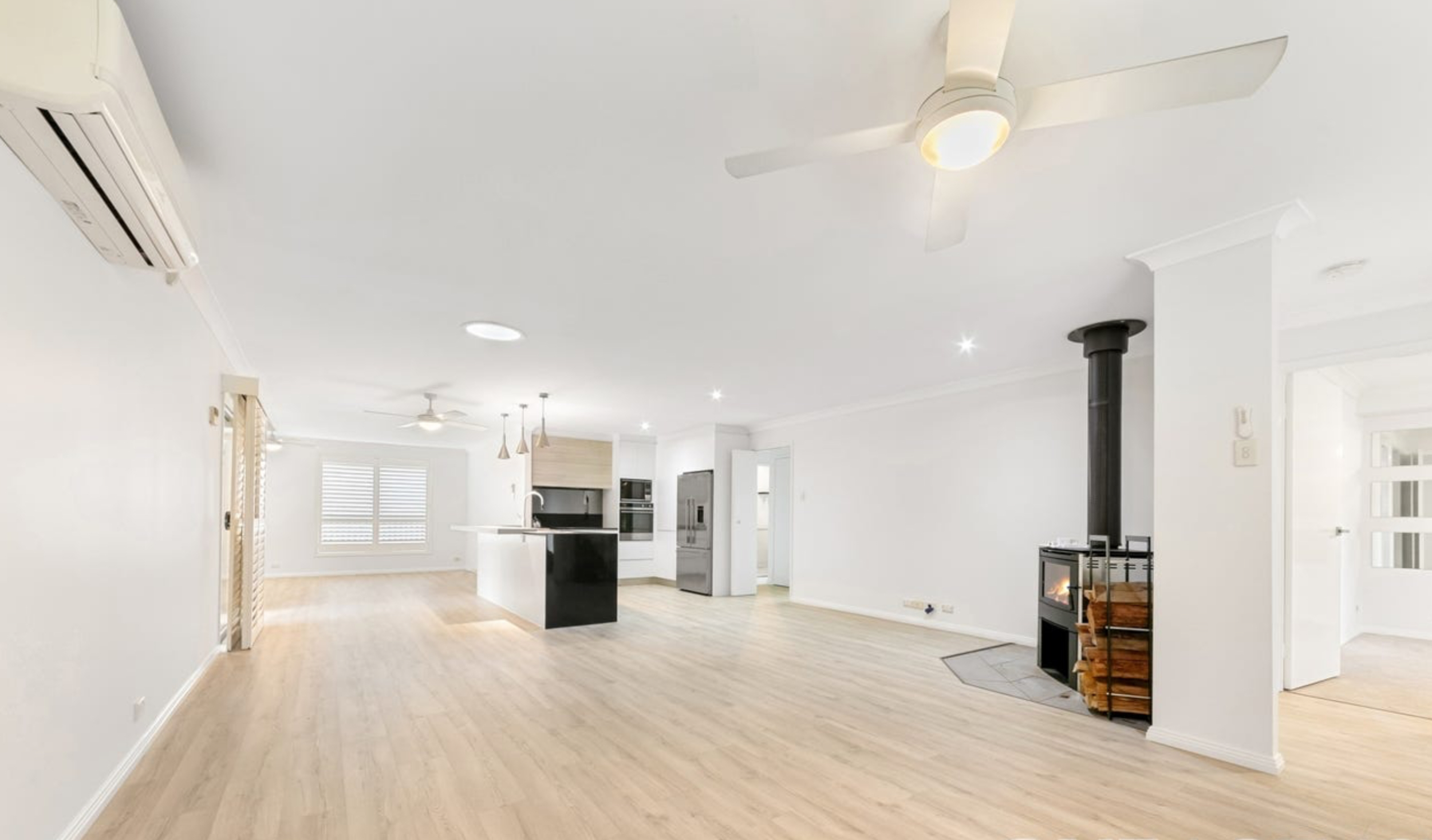
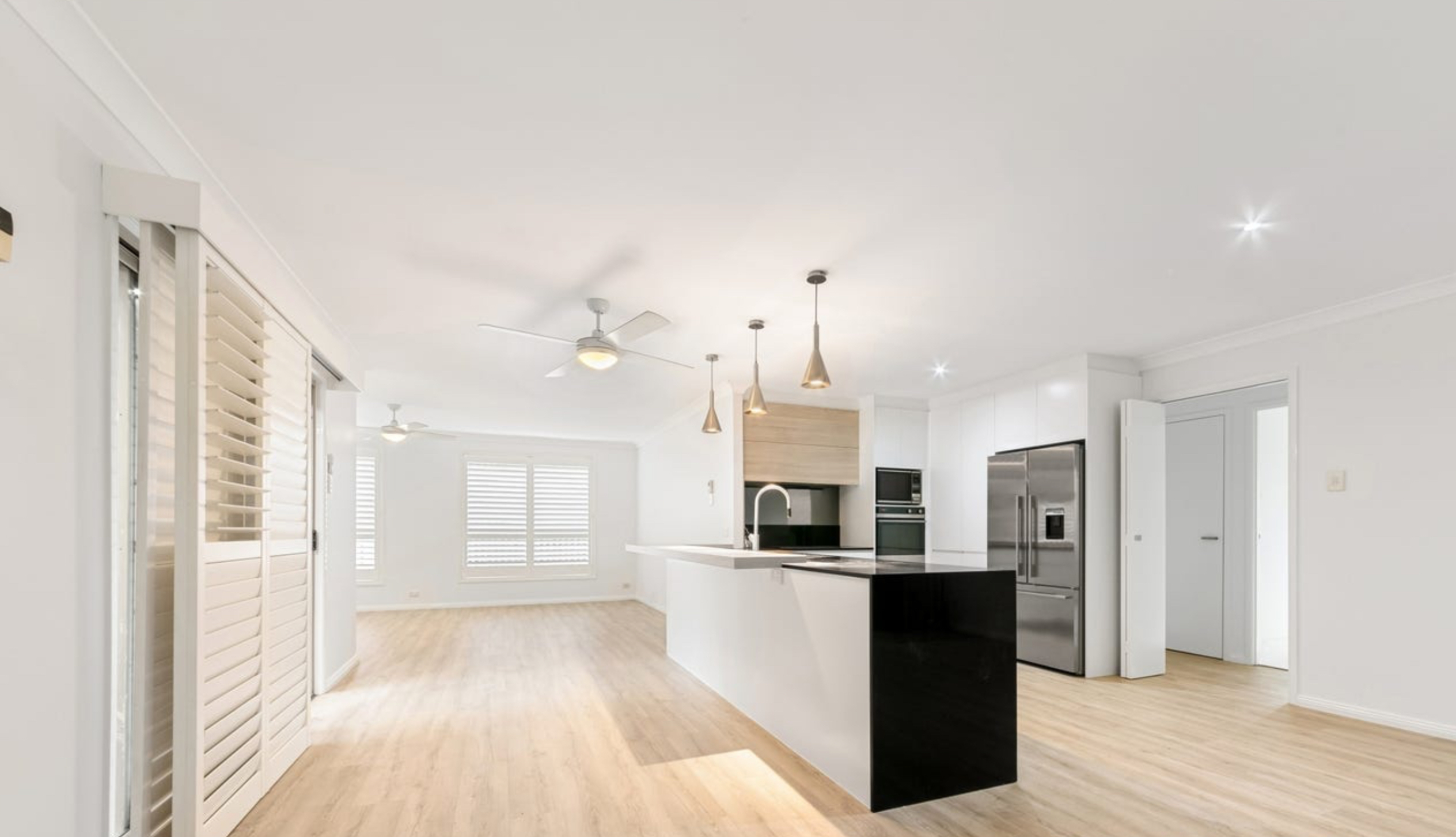
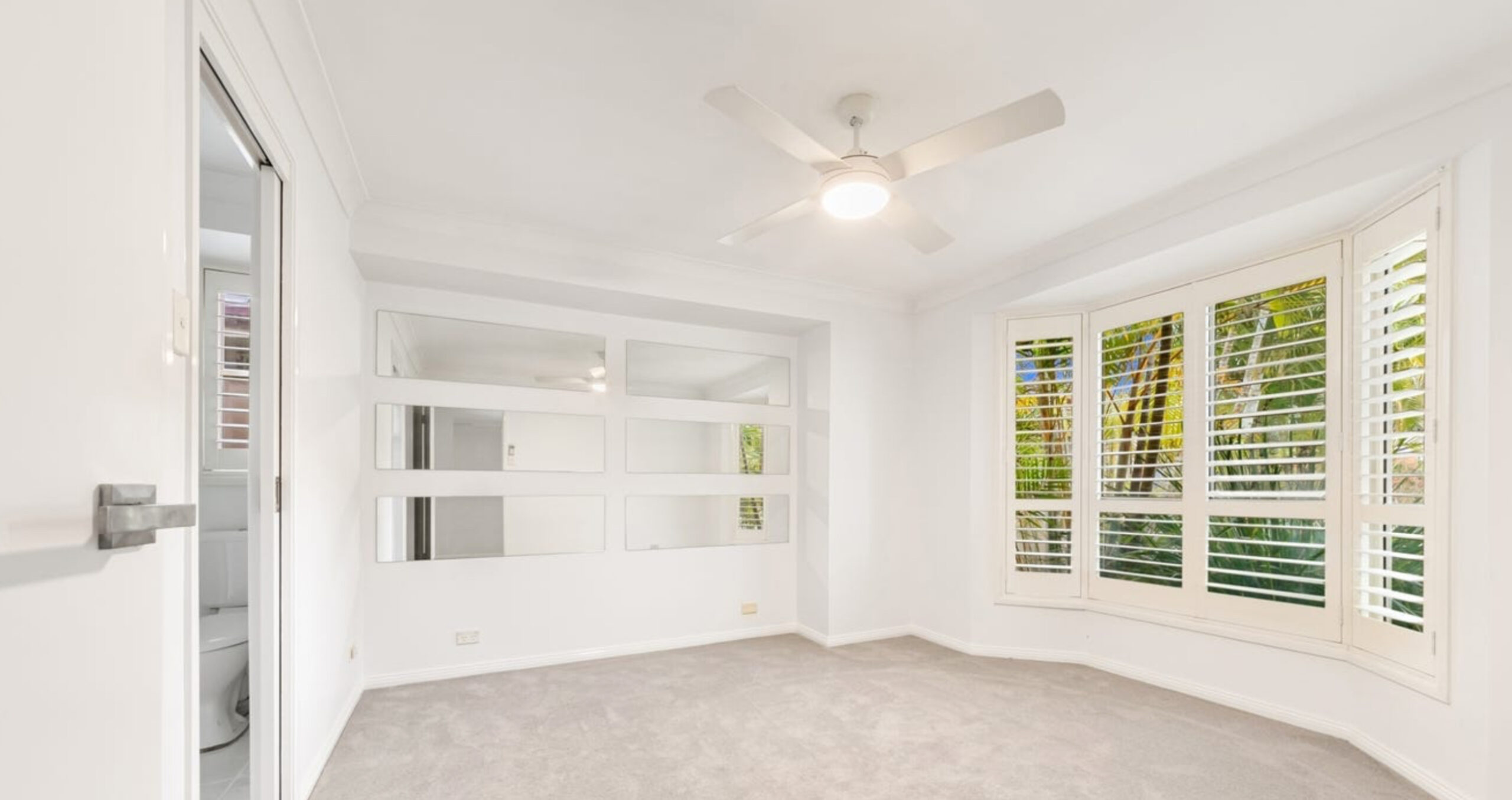
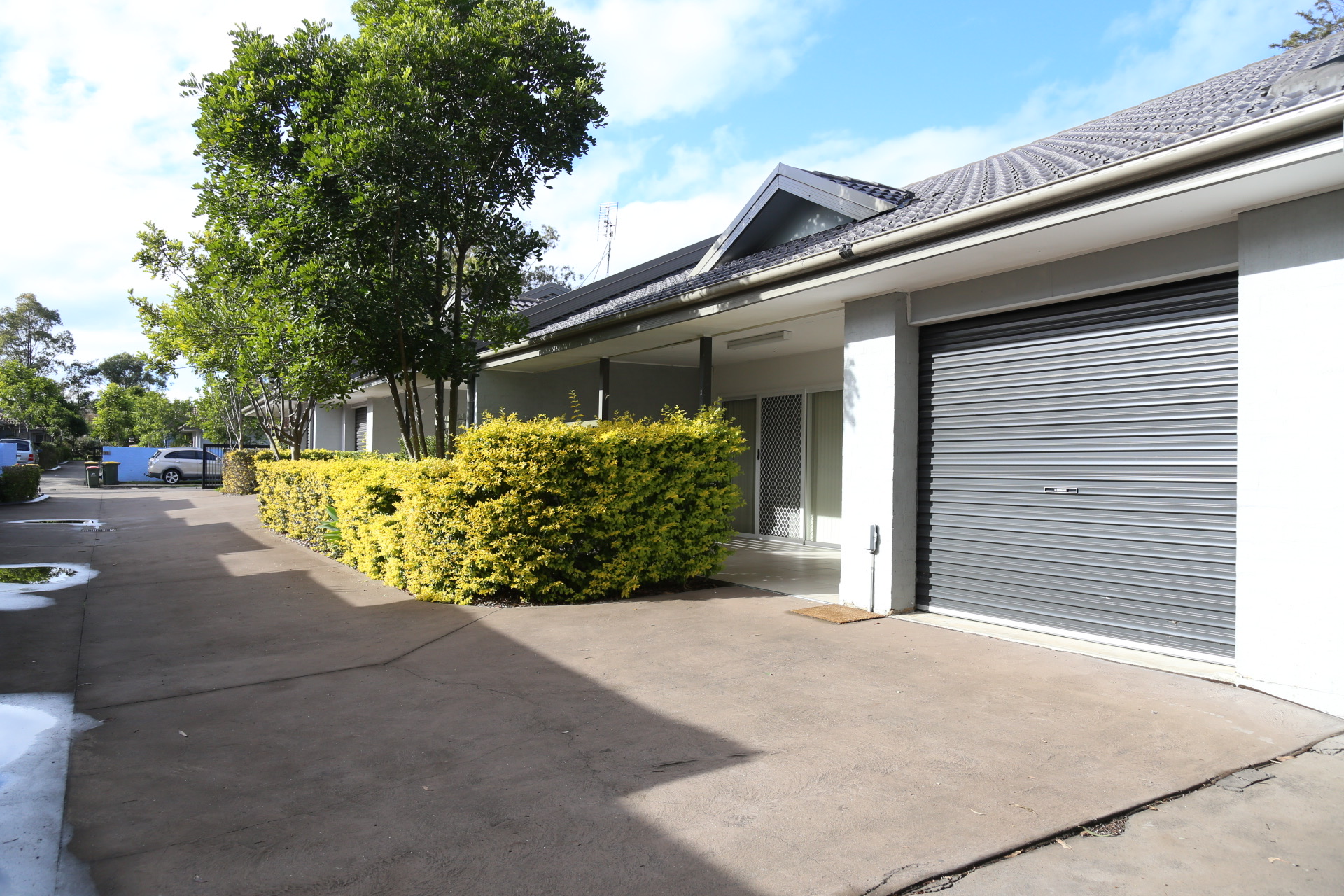
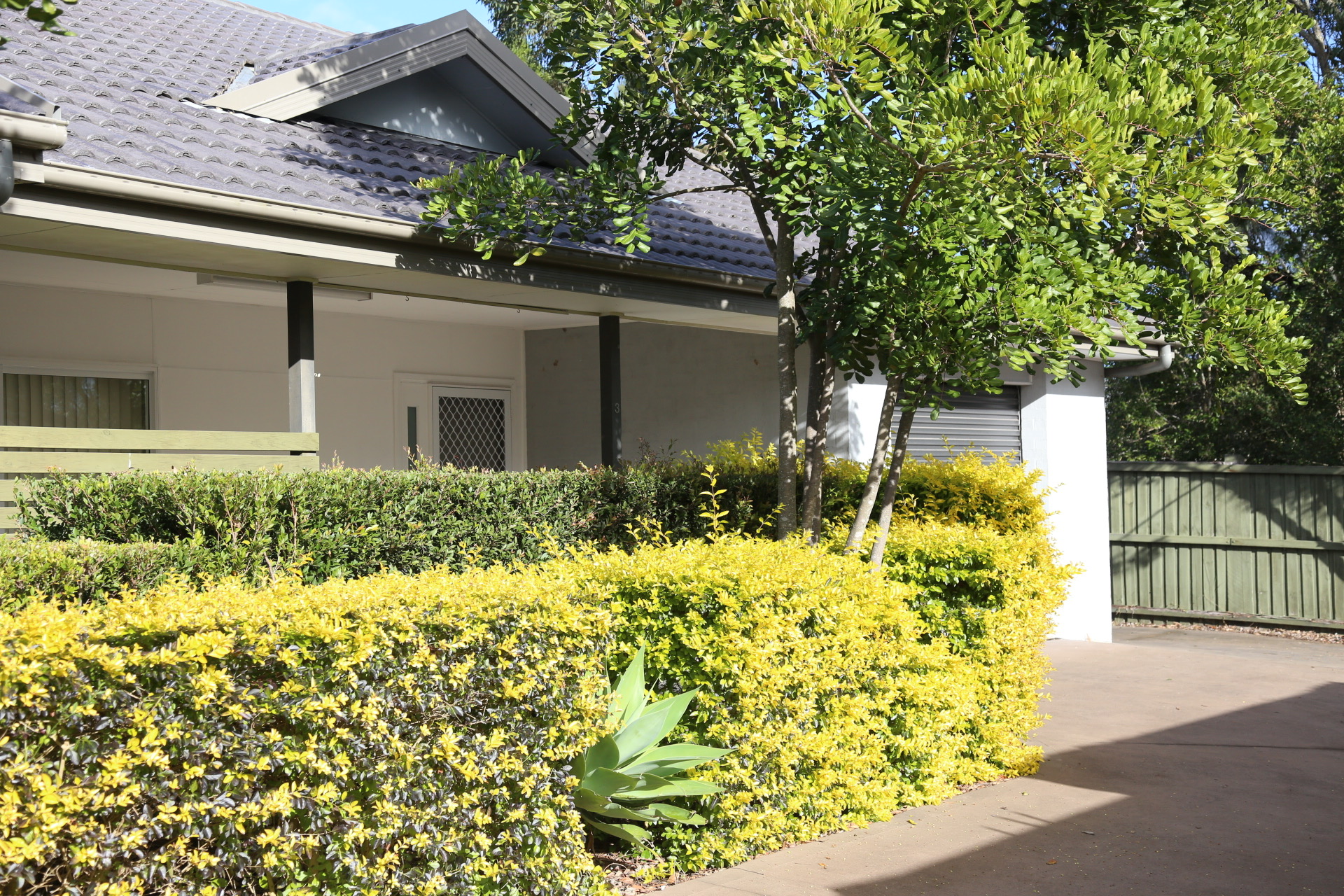
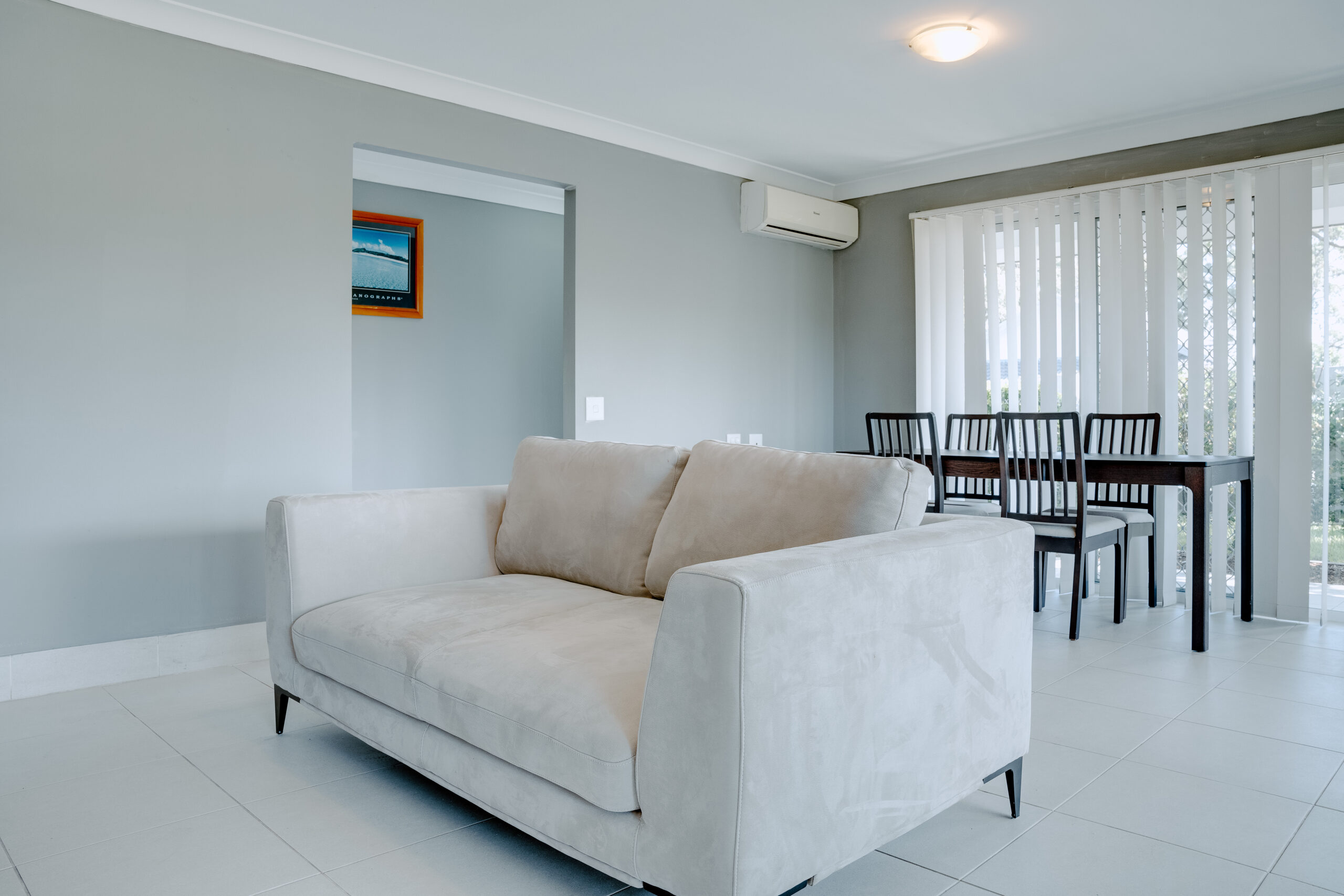
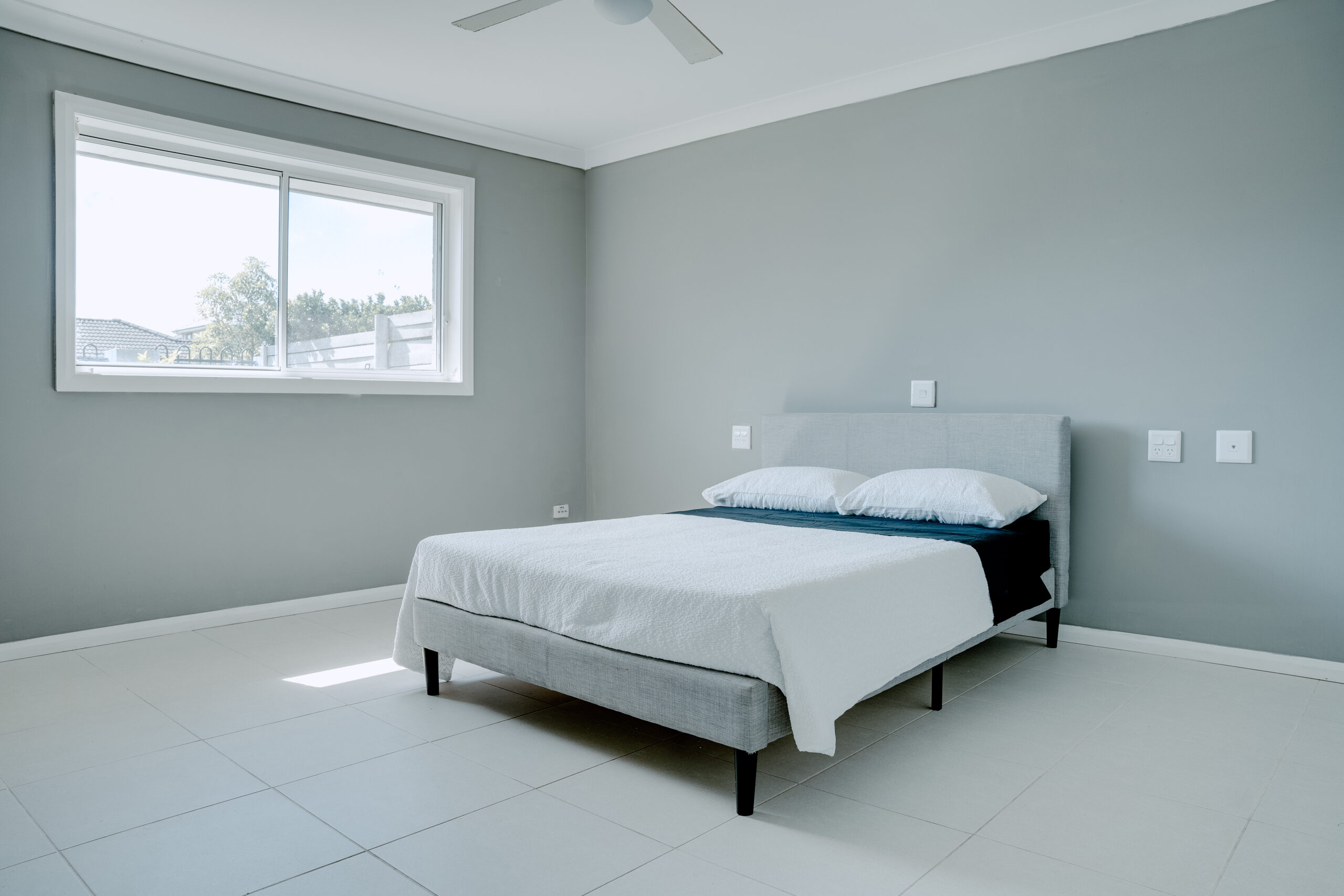
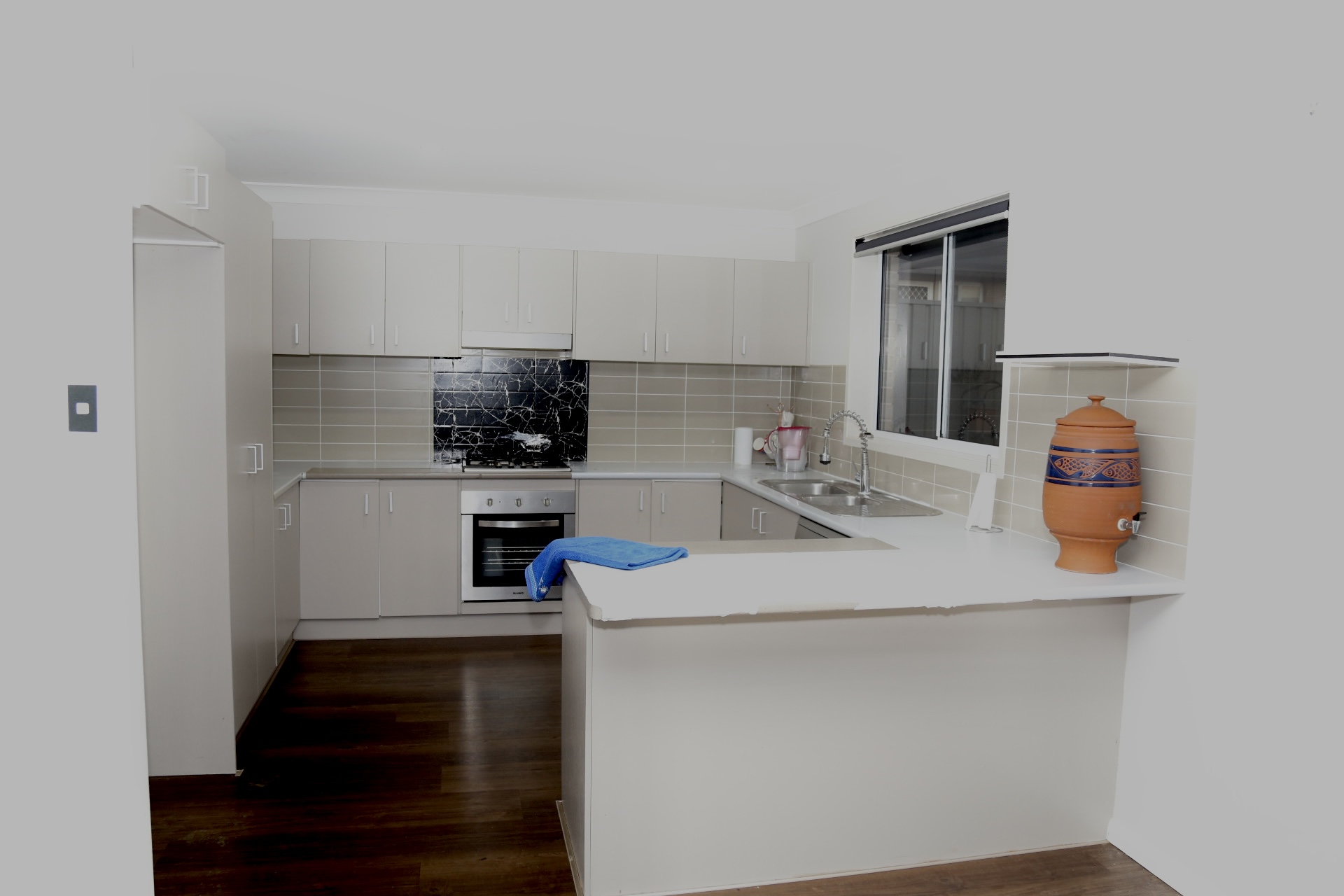
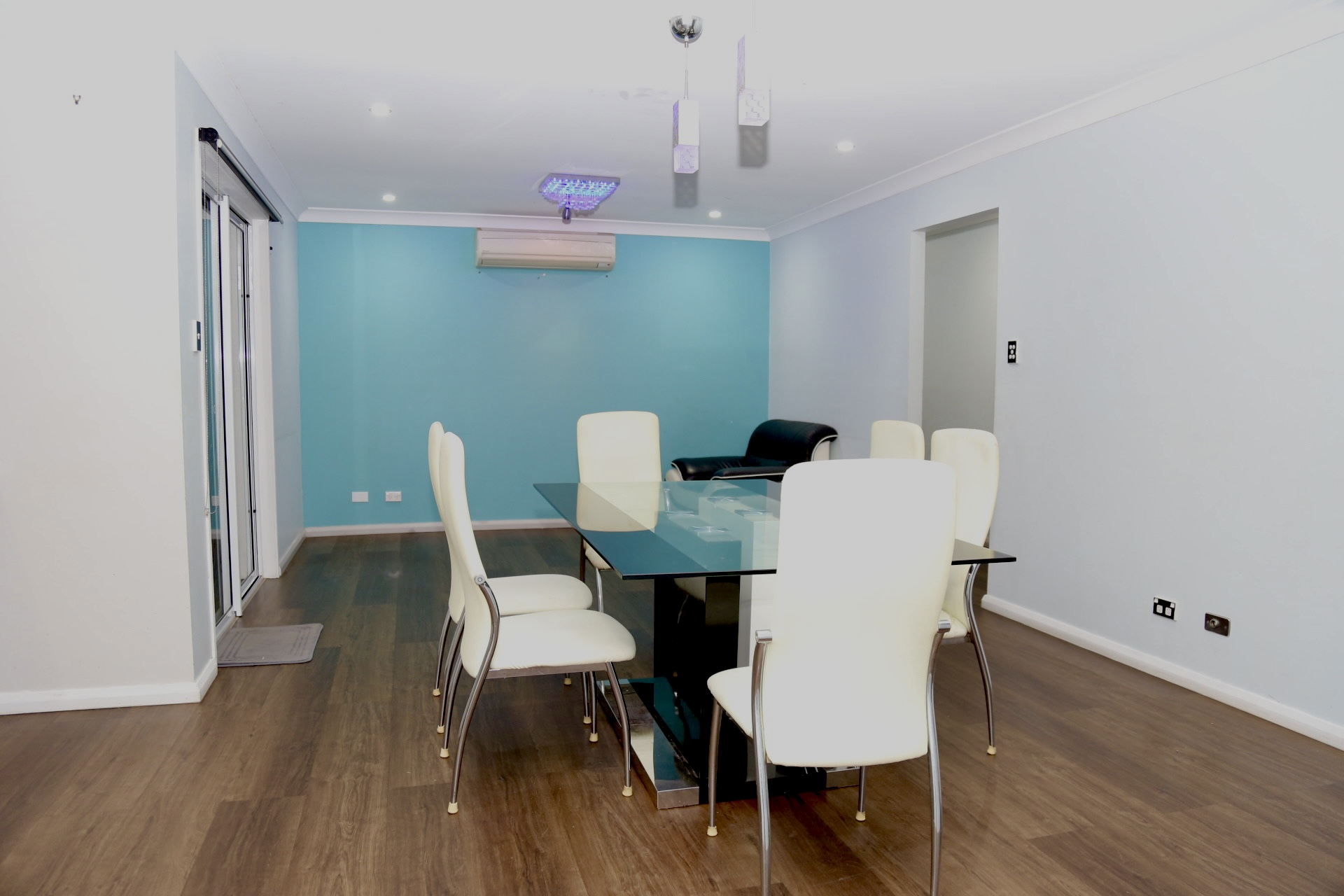
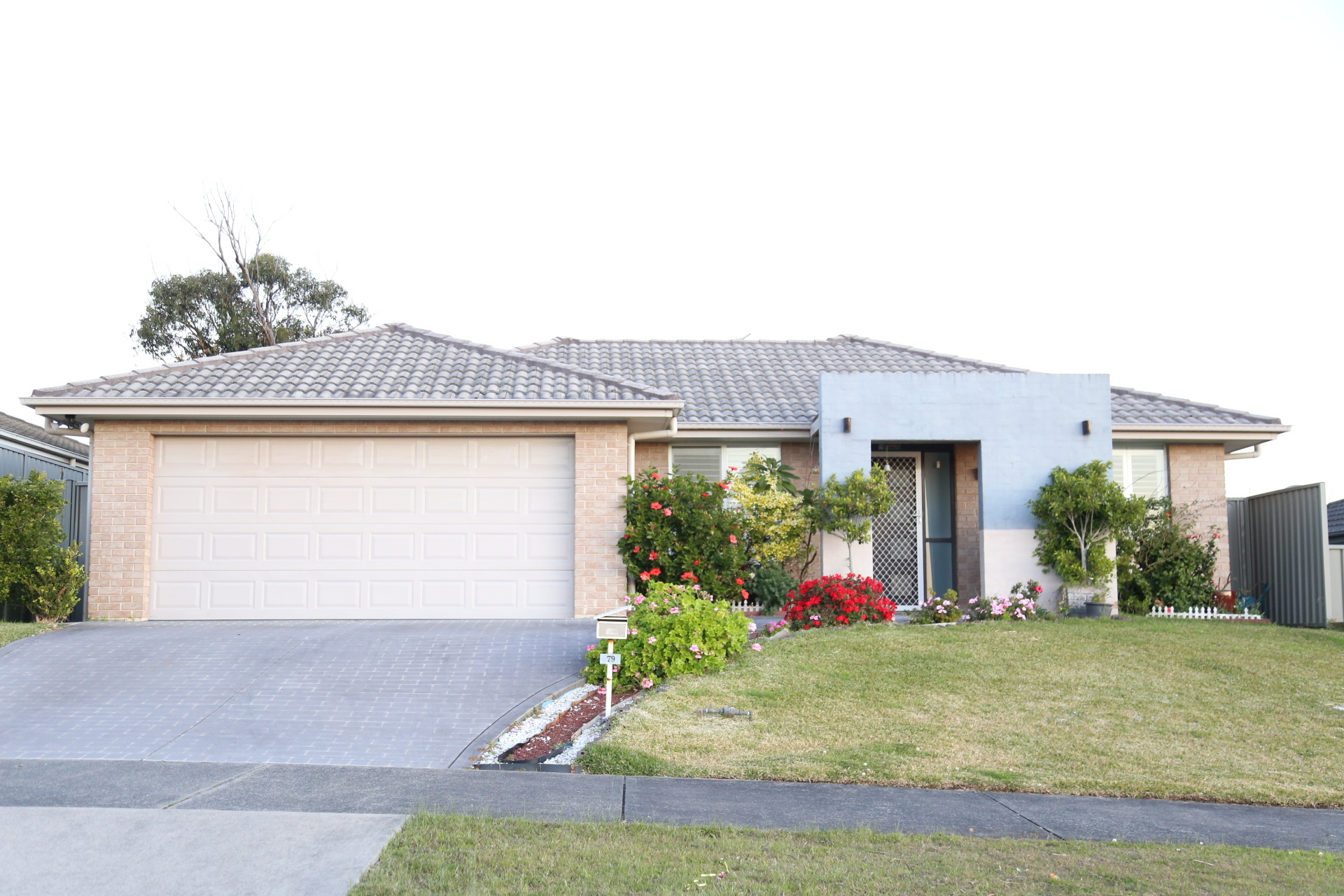
4 Bedroom house
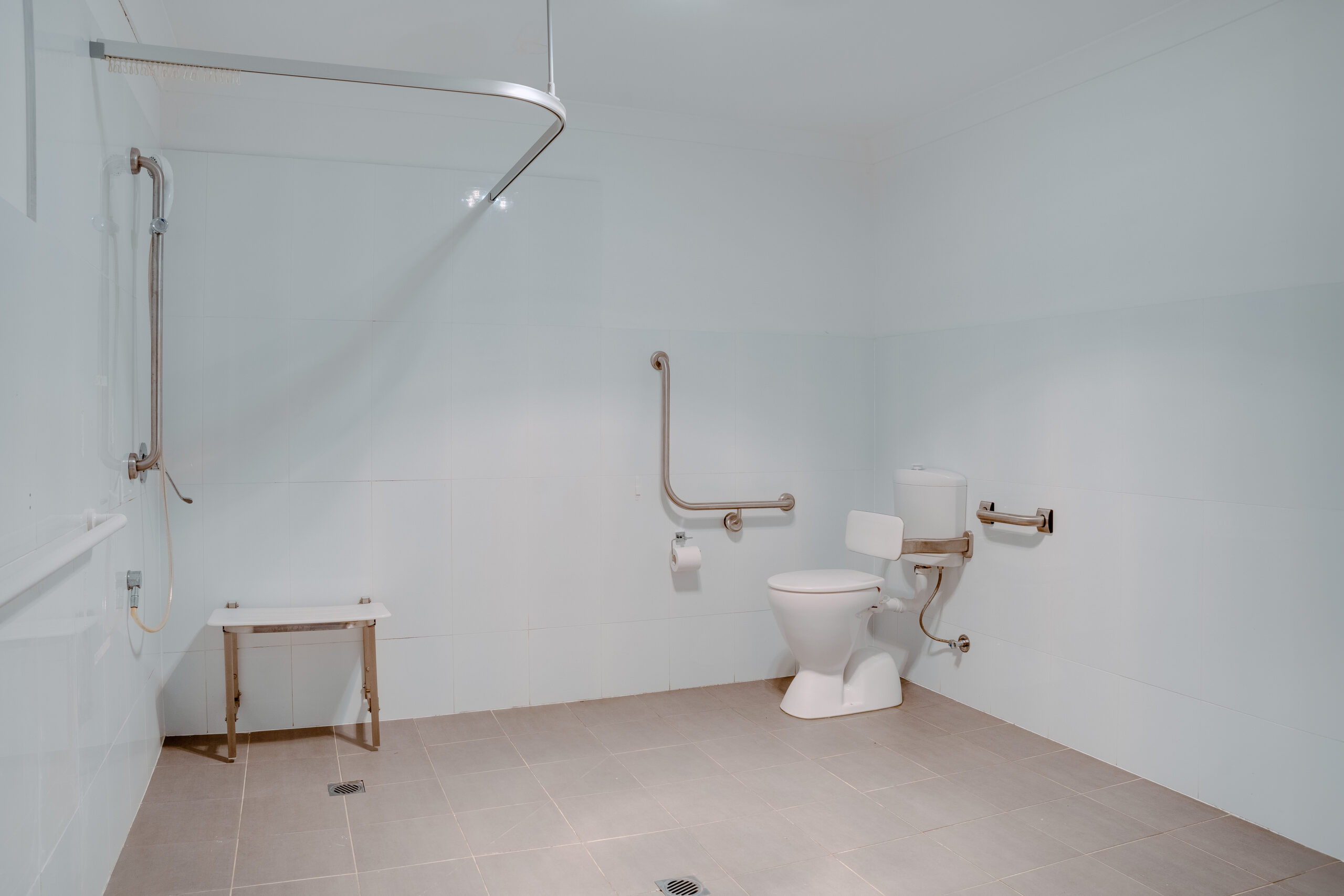
2 Bathroom
24/7 Staff Assistance
Participant matching
Easy access to public transport
Close to GP clinic and pharmacy
Close to supermarkets


4 Bedroom house
2 Bathroom
24/7 Staff Assistance
Participant matching
Easy access to public transport
Close to GP clinic and pharmacy
Close to supermarkets


4 Bedroom house
2 Bathroom
24/7 Staff Assistance
Participant matching
Easy access to public transport
Close to GP clinic and pharmacy
Close to supermarkets


4 Bedroom house
2 Bathroom
24/7 Staff Assistance
Participant matching
Easy access to public transport
Close to GP clinic and pharmacy
Close to supermarkets
Our team is trained to support participants with complex physical disabilities, mental health challenges, behaviours of concern, and medical needs. We offer positive behaviour support plans, medication management, and clinical oversight.
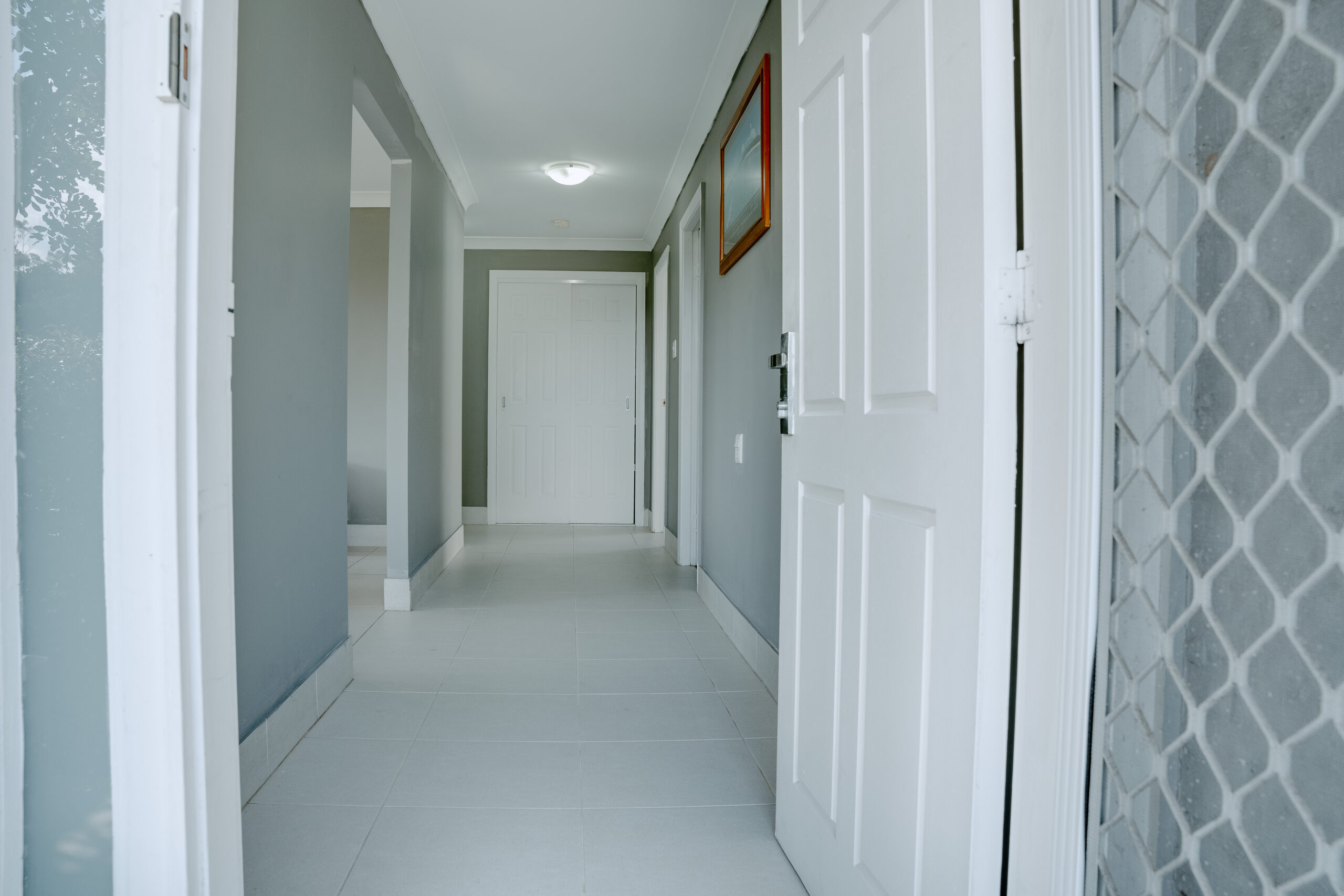
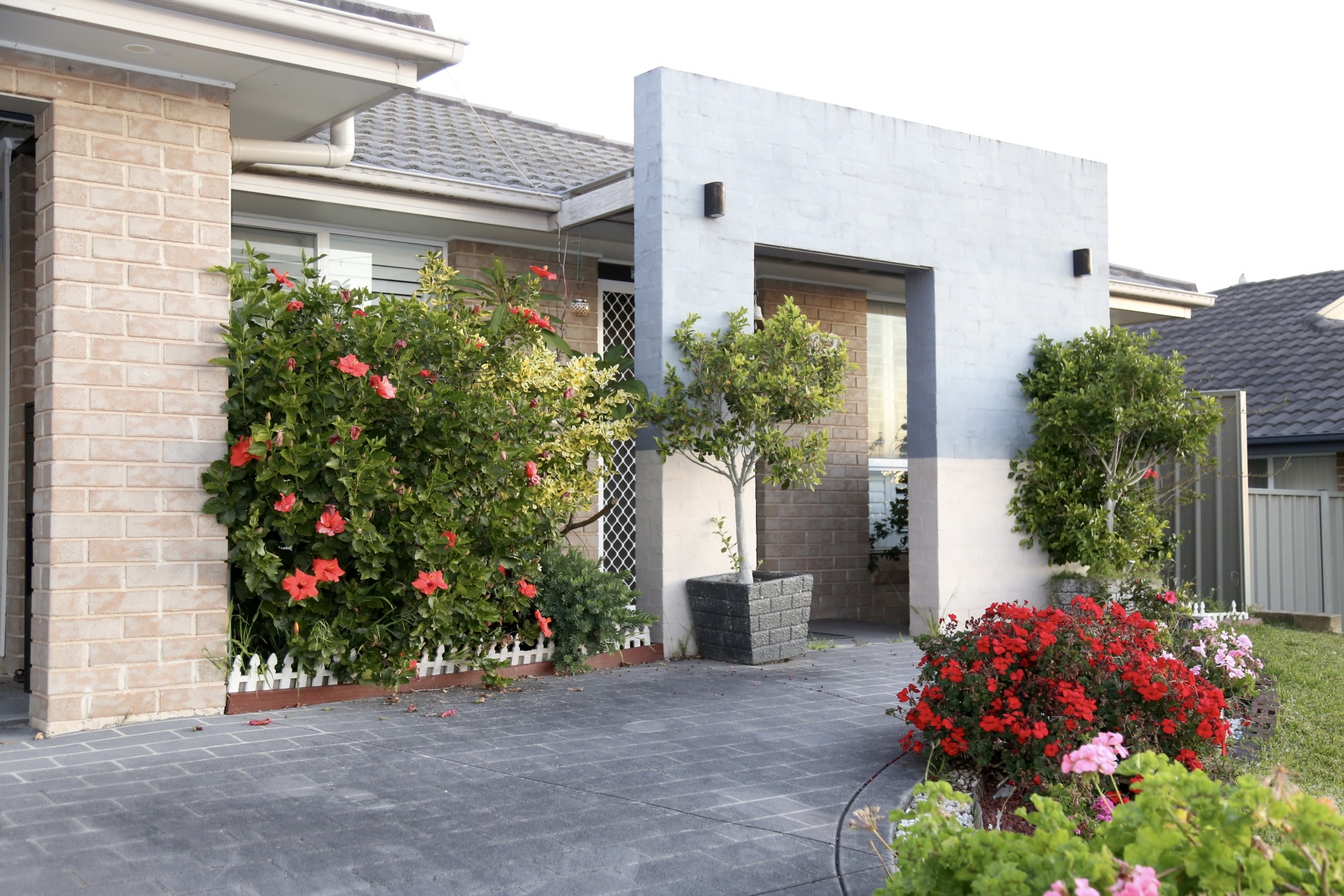
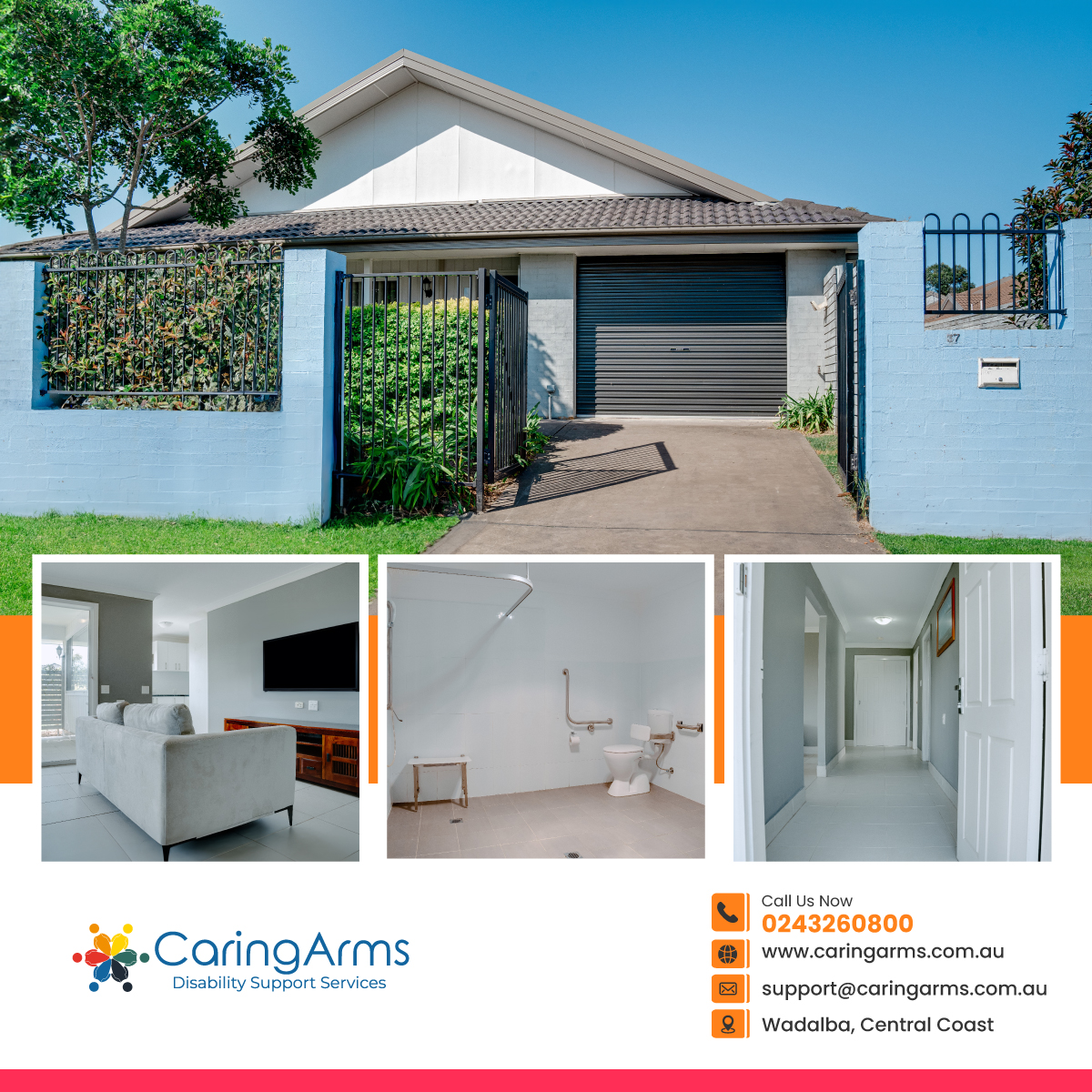
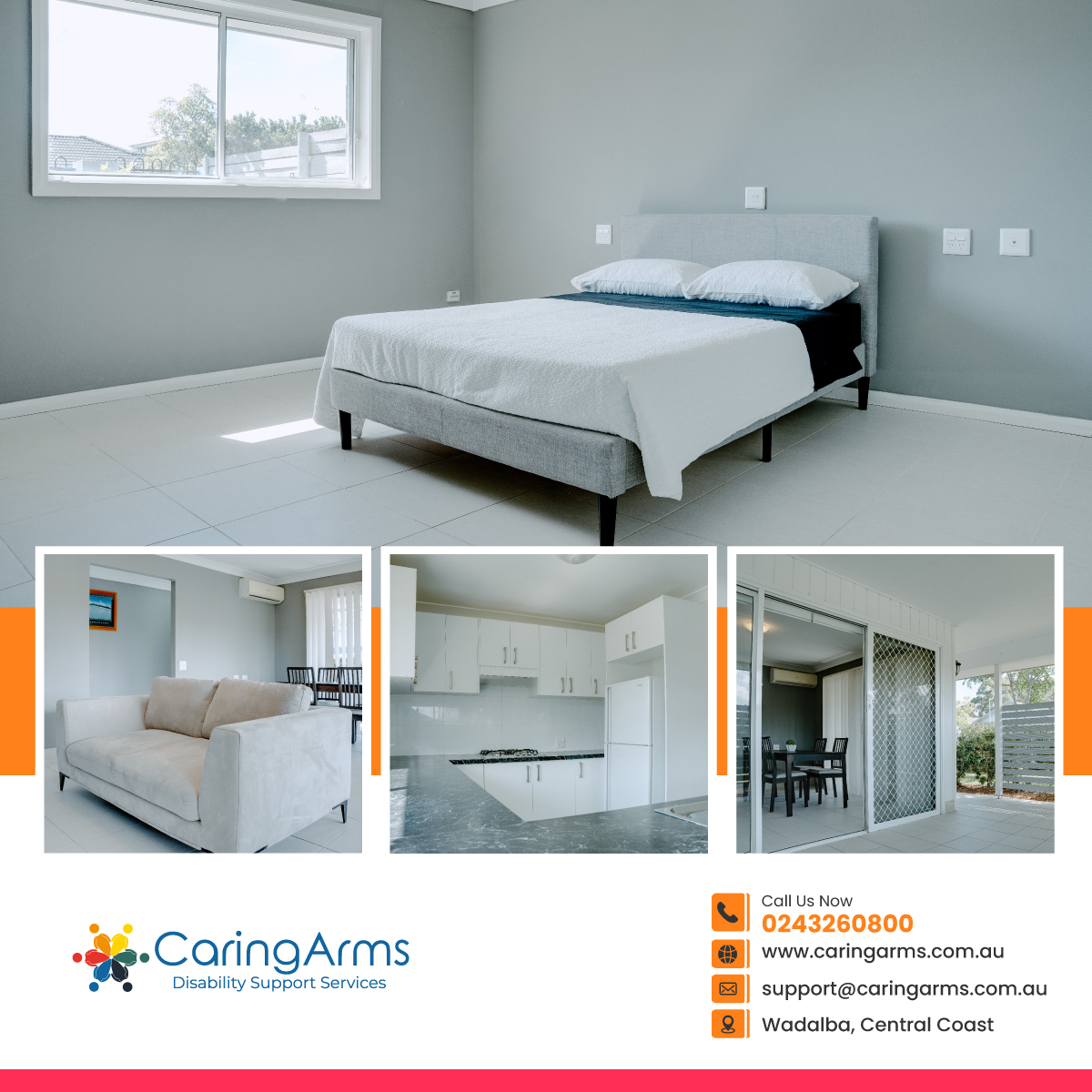
All our properties are designed with accessibility in mind: wide doorways, level access showers, hoists, and adjustable kitchen benches. We have homes in Wadalba, Hamlyn Terrace, Umina and are always looking for new properties across Gosford, Wyong and The Entrance.
First, look at your NDIS plan under “Home and Living Supports”. SIL is a stated support, meaning it is listed specifically. If you don’t see it, ask your Support Coordinator or call the NDIS. Many participants on the Central Coast start this step with their Local Area Coordinator (LAC) at a planning meeting.
To prove your need for SIL, you will need an assessment from an Occupational Therapist (OT) and a report from your GP. These documents show how much help you need with daily tasks. The NDIS uses this evidence to decide your funding level. We can connect you with trusted OTs in the Central Coast area.
Once funding is approved, the exciting part begins: finding your new home. Caring Arms has modern, wheelchair‑accessible SIL properties across the Central Coast. Right now we have vacancies in Wadalba, Hamlyn Terrace, Umina, and more. Each home is close to public transport, shops, and medical centres like Gosford Hospital and Wyong Hospital
After you select your home and meet your new support team, it’s time to move in. We will help you settle, set up your daily routines, and make sure you have everything you need. Our 24/7 support means help is always there.
Supported Independent Living (SIL) funds the support workers who help you with everyday tasks such as personal care, cooking, cleaning, medication management, and developing independent living skills. SIL funding is included in your NDIS Core Supports budget under Assistance with Daily Life. An Occupational Therapist (OT) report is usually required to demonstrate your need for ongoing daily support.
Specialist Disability Accommodation (SDA) funds the home itself, including specialist design features and high-accessibility modifications for people with significant functional impairments. SDA funding is included in the NDIS Capital Supports budget and is provided by an SDA housing provider, which may be different from your SIL provider. An Occupational Therapist (OT) report is generally required to show the need for a highly accessible living environment.
SIL (Supported Independent Living) pays for support workers who help you with daily tasks. SDA (Specialist Disability Accommodation) pays for the physical house or apartment designed for high accessibility. Most participants with high needs use both, but they are separate.
.
You must be an NDIS participant aged 18 or over, require daily support for at least 8 hours across a 24‑hour period (including active or inactive overnight), and have evidence from an OT and GP that you need help with daily tasks.
First, check your NDIS plan for SIL funding. If it’s not there, ask your Support Coordinator to request a plan review. Once approved, contact a SIL provider like Caring Arms to view vacancies in Wadalba, Hamlyn Terrace, and other Central Coast suburbs. Then sign a service agreement and move in.
SIL covers the cost of support workers who help with personal care, cooking, cleaning, medication management, and developing life skills. It does not cover rent, groceries, or utilities. It also does not cover the building itself (that’s SDA).
SIL is funded by the NDIS. Eligible participants do not pay out‑of‑pocket for support workers. The NDIS sets price limits (approx. $80k – $320k+ per year depending on support level). You only pay for everyday living costs like rent, food, and utilities.
Step 1: Engage a Support Coordinator. Step 2: Get an OT assessment. Step 3: Attend an NDIS planning meeting. Step 4: Search for a provider. Step 5: Sign a service agreement. Step 6: Move into your new home. Your Support Coordinator can guide you through each step.
You can search the NDIS Provider Finder, ask your Support Coordinator for recommendations, or contact Caring Arms directly. Look for a registered provider with experience in your specific needs and with vacancies in your preferred suburb.
Yes, you have the right to choose your housemates. Most SIL providers facilitate “participant matching” based on interests, age, and support needs. You can also request sole occupancy if your funding allows.
24/7 SIL means there is always a support worker available – either awake overnight or on‑call (inactive sleepover). This ensures you can get help any time of day or night for emergencies, medication, or personal care.
SIL is for long‑term everyday living (you live there). STA (Short‑Term Accommodation) is temporary respite, usually up to 14 days, giving carers a break or allowing you to try a new environment. STA does not replace your permanent home.