
Caring Arms

NDIS Specialist Disability Accommodation (SDA): Rules, Design Standards, and Pricing Arrangements

NDIS Specialist Disability Accommodation (SDA): Rules, Design Standards, and Pricing Arrangements

Understanding Specialist Disability Accommodation (SDA) Specialist Disability Accommodation (SDA) is a critical component of the National Disability Insurance Scheme (NDIS), designed to support individuals with extreme functional impairment or high support needs. SDA refers to housing designed to enable eligible participants to receive the necessary supports to live as independently as possible. The purpose of SDA is to provide housing that is accessible, sustainable, and tailored to the specific needs of people with significant disabilities. The NDIS SDA program transforms lives by enabling individuals with high support needs to live in purpose-built homes that foster independence, dignity, and a better quality of life. Who is Eligible for SDA? Eligibility for SDA is determined by the NDIS SDA eligibility criteria. Participants must demonstrate a need for specialist housing beyond what mainstream housing options can provide. Typically, eligibility is granted to individuals who:
  • Have an extreme functional impairment or very high support needs.
  • Require housing that facilitates support services to enhance their independence.
  • Have their need for SDA approved within their NDIS plan.
  • Cannot be adequately supported in mainstream housing, even with home modifications or assistive technology.
SDA Rules and Compliance Requirements The NDIS SDA Rules 2020 outline the requirements for SDA funding, eligibility, and obligations for providers. Key elements include:
  • SDA Provider Registration: All SDA providers must be registered with the NDIS Quality and Safeguards Commission.
  • Design Category Compliance: SDA properties must adhere to specific SDA Design Standards.
  • Participant Choice: NDIS participants have the right to choose where they live and who they live with.
  • Long-Term Tenancy Agreements: SDA participants must be offered secure and fair tenancy agreements.
  • Funding Allocation: SDA funding is separate from funding for daily living support services.
Failure to comply with the NDIS SDA Rules can result in penalties, loss of provider registration, or withdrawal of SDA funding. SDA Design Standards: Ensuring Accessibility and Inclusion To ensure SDA properties meet the unique needs of participants, the SDA Design Standards 2021 were introduced. These standards categorize SDA dwellings into four design categories:
  1. Improved Liveability
Designed for individuals with sensory, cognitive, or intellectual impairments. Key features include:
  • Clear lines of sight and easy navigation.
  • Good contrast for visibility.
  • Assistive technology integration.
  1. Fully Accessible
For participants with significant physical impairments requiring wheelchair accessibility. Features include:
  • Step-free entrances and pathways.
  • Wide doorways and circulation spaces.
  • Reinforced walls for grab rails.
  1. High Physical Support
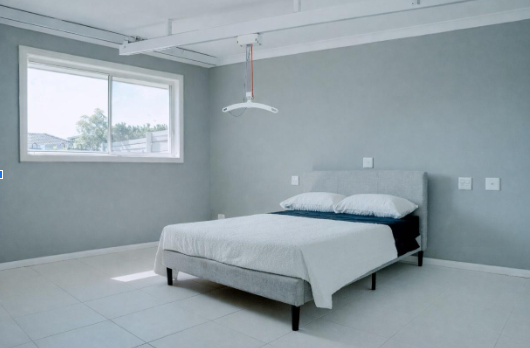
For individuals requiring substantial physical support, including ceiling hoists or automated doors. Essential features include:
  • Structural provisions for ceiling hoists.
  • Backup power supply for assistive technology.
  • Smart home automation.
  1. Robust
Designed for people with complex behavioral needs, ensuring safety for residents and carers. Key features:
  • Impact-resistant materials.
  • Soundproofing.
  • Secure windows and doors.
SDA dwellings must meet Liveable Housing Australia (LHA) Standards and be assessed by an independent SDA assessor before approval. SDA Pricing Arrangements & Limits SDA funding is included in an NDIS participant’s plan based on their needs. NDIS SDA pricing depends on several factors, including:
  • Dwelling Type (e.g., apartments, townhouses, houses, group homes).
  • SDA Design Category (Improved Liveability, Fully Accessible, High Physical Support, or Robust).
  • Location (regional vs. metropolitan areas).
  • Support Needs (higher support needs may attract additional funding).
SDA Pricing Limits The NDIS Price Guide outlines SDA pricing limits, which vary based on design category and dwelling type. SDA funding is provided as a rental subsidy, with participants contributing a reasonable rent contribution (RRC), typically 25% of their Disability Support Pension plus their Commonwealth Rent Assistance (CRA). Benefits of SDA for Participants and Providers For NDIS Participants:
  • Access to safe, accessible, and purpose-built housing.
  • Enhanced independence and quality of life.
  • More choice and control over living arrangements.
For SDA Providers and Investors:
  • Stable long-term rental income for your investments.
  • Empowering lives through your SDA housing investment.
  • High demand for disability-friendly accommodation.
Final Thoughts Specialist Disability Accommodation (SDA) is a crucial component of the NDIS, ensuring that individuals with extreme functional impairments or high support needs have access to appropriate housing. Compliance with SDA Rules, Design Standards, and Pricing Arrangements is essential for both providers and participants to benefit from the program. If you or a loved one is seeking NDIS SDA housing, consult with a registered NDIS provider to explore eligibility and housing options. For providers, investing in NDIS SDA properties presents an opportunity to contribute to accessible living solutions while benefiting from stable government-backed funding. Need help finding SDA housing or becoming an SDA provider? Contact an NDIS-registered provider today!  

Tag

accommodation

Australian disability reforms

Caring Arms Australia

central coast

Contact NDIS

Disability

disability services

disability support

disability support Australia

disability support services

friendly

Gosford

Home Care Package

I-CAN NDIS tool

impact of NDIS reforms 2026

Kids

location

Mark Butler NDIS

Medium Term Accommodation

MTA

MTA Central Coast

MTA NDIS

ndis

NDIS 2026 overhaul

NDIS assessment changes 2026

NDIS changes 2026

NDIS Coordinators

NDIS eligibility changes autism

NDIS flexible budget

NDIS fraud prevention

NDIS funding changes

NDIS growth reduction

NDIS guide

NDIS Medium Term Accommodation

NDIS new framework planning July 2026

NDIS Participant

NDIS participant eligibility

NDIS participant rights

NDIS participants

NDIS participants update

NDIS personal care

ndis plan

NDIS plan changes

NDIS plan changes Australia

NDIS plans

NDIS policy update

NDIS Price Guide

ndis price guide 2024

NDIS provider Australia

NDIS provider registration

NDIS provider vs unregistered

NDIS providers

NDIS quality standards

NDIS reforms Australia

NDIS safeguarding commission

ndis scheme

ndis sda

ndis services

NDIS SIL vacancies Australia

NDIS Support

NDIS Support Needs Assessment

NDIS support services

NDIS Support Worker

NDIS Worker

program

providers

registered NDIS provider

SDA Design standards

SDA Providers

sda rules

service

SIL

sil provider

SIL provider registration July 2026

SIL Services

sta

Supported Independent Living 2026

trusted disability support provider

what NDIS changes mean for participants

why choose registered NDIS provider